

A rodeo is already a performance. It has a crowd, rules, costumes, physical risk and a public idea of strength. What happens when a documentary looks at that performance through the experience of someone who loves the world but also feels constrained by it? Efraín Mojica and Rebecca Zweig’s Jaripeo begins from that contradiction.
Tradition as both belonging and pressure
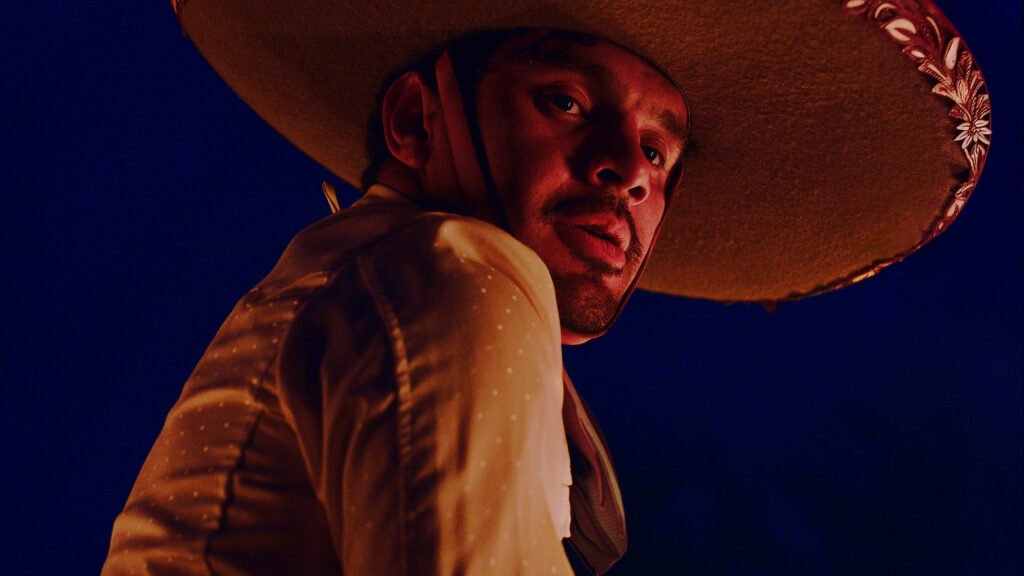
Jaripeo follows the world of Mexican rodeos in Michoacán, exploring masculinity, memory and queer desire. The official Sundance coverage identifies Mojica and Zweig as co-directors and describes how the documentary returns to spaces that shaped Mojica’s sense of identity.
This makes the project more complex than a simple exposé about a conservative tradition. A community can be beloved and difficult. The film’s subject is not simply whether its culture is good or bad, but how people negotiate the contradiction between affection and limitation.
From Utah to Berlin
The film appeared in Sundance’s NEXT section in January 2026, and Sundance later included it among projects screening at the 2026 Berlin International Film Festival. Festivals do not all serve the same audience, but a film moving between them can build different conversations about national identity, documentary form and independent cinema.
The important distinction for coverage is between a confirmed screening and invented acclaim. Inclusion in a program confirms a curatorial choice; it does not establish that critics agreed about the film or that it won an award.
How camera perspective becomes an argument
A rodeo offers obvious spectacles: animals, movement, competition and a crowd. A director could shoot only the contests and produce an energetic event film. To approach questions of identity, however, the camera must also notice who watches, how people prepare, and what occurs away from the arena.
Documentary storytelling becomes interpretive through selection. Two sequences of the same event can suggest different meanings depending on whether the central figure is the rider, the audience member, the person cleaning up afterwards or someone looking on from a distance.
What fiction writers can learn from nonfiction observation
Screenwriters often describe an environment with an adjective: “a macho town”, “a conservative family” or “a competitive workplace”. Those phrases may help a team orient itself but they are not dramatic action. Observation gives them specificity. Who decides when the music starts? Who is permitted to joke? Who must laugh when the joke is cruel?
A scene becomes stronger when a character’s inner life collides with a social ritual. The ritual can remain joyful for most people in the scene even as it becomes painful for one.
Writing about communities responsibly
One risk of outsider storytelling is turning a whole culture into an opponent for a protagonist. Stories made with an intimate knowledge of a place can preserve its contradictions: warmth and exclusion, celebration and hierarchy, tenderness and bravado.
For an emerging filmmaker, that means research should include people who disagree with your thesis. Your characters or documentary participants do not need to represent a single message; they need space to remain human.
Choose a local celebration or competition. List what the event means to three different participants. Write one scene where the ritual continues unchanged but the audience understands that its emotional meaning has shifted for one person.
Sources and further reading
- Sundance film profile and filmmakers’ creative approach
- Sundance Institute: projects at Berlinale 2026
- Official Jaripeo film still in Sundance editorial press coverage
Reported from official festival materials and programme information. This original editorial analysis does not imply personal attendance or screening.