

What does a filmmaker leave behind when her work refuses easy categories? Brydie O’Connor’s Barbara Forever explores the life and artistic legacy of experimental filmmaker Barbara Hammer, drawing on a rich personal archive. Its path through Sundance and Berlin offers a useful lesson: a documentary assembled from existing material still needs a strong point of view.
An archive is not already a story
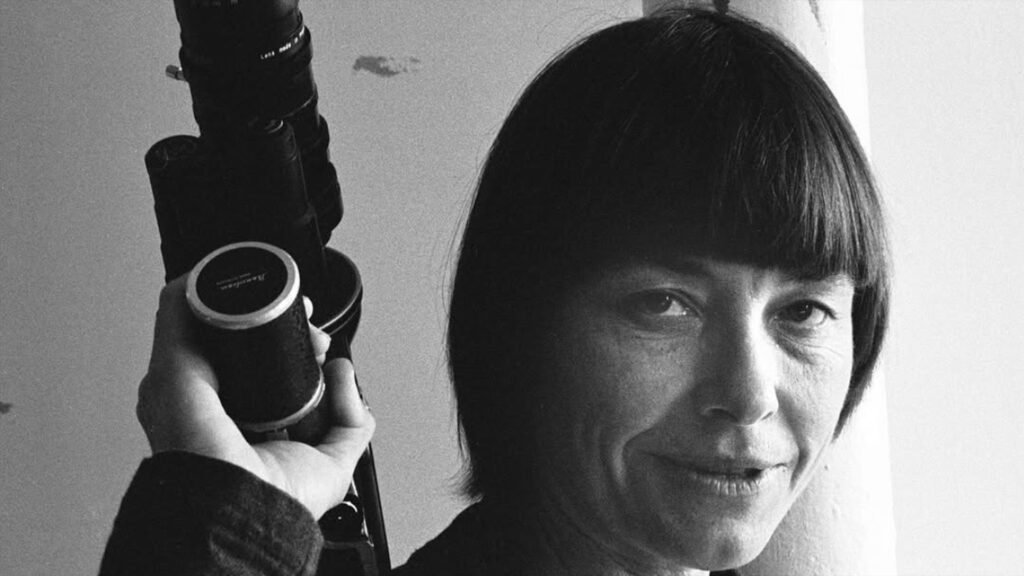
Barbara Hammer spent decades expanding the boundaries of moving-image art and lesbian cinema. In the official festival profile, O’Connor describes the significance of Hammer’s earlier Sundance appearance in 1992 and the deep importance of her film work to later generations. Archival material can offer immediacy: we hear a person’s voice and encounter images shaped by their choices. But documents do not select themselves or announce their own meaning.
To make a feature documentary from an archive, a director must decide which questions organise the footage. Is the film about how art is made? The struggle to be seen? The relationship between public identity and private life? Different answers lead to different edits, even when the footage is identical.
A recognised editing achievement
The 2026 Sundance Film Festival awarded Barbara Forever the Jonathan Oppenheim Editing Award: U.S. Documentary, presented to Matt Hixon. Sundance’s official awards list emphasised the way the film connects personal history with a broader artistic movement. The festival later included the documentary among its supported projects screening at the 2026 Berlinale.
The point is not merely that an editor received a prize. It is that the order of material can make a life legible without reducing it to a simple timeline.
Chronology and emotional structure are different
A chronological treatment begins with birth, proceeds through formative events and concludes near death. That is clear, but it is not always the most revealing structure. A thematic documentary might begin with an artwork, ask why it was controversial, then move back decades to a childhood memory or forward to another artist who saw it.
Those jumps create an argument through juxtaposition. They can expose a recurring conflict or illuminate how a work changed meaning over time. The audience does not require every date to appear onscreen if the filmmaker establishes reliable context.
Ethics of interpreting someone else’s material
Archive-driven storytelling carries responsibilities. Images were often created in circumstances different from the documentary’s own production. A photograph taken for artistic expression can become biographical evidence in a later film. Interviews may reveal vulnerability that an editor could exploit or protect.
Good documentary practice distinguishes what archival material demonstrably shows from what the filmmaker infers. A voice recording establishes that a person made a statement; it does not alone establish that the statement remained their belief forever.
For a writer or editor working on a family history, this means recording provenance, checking dates, seeking relevant permissions and being transparent about major reconstruction.
Why festival circulation matters
A screening at Sundance places a work in a conversation about American independent film and emerging directors. A subsequent Berlinale appearance connects it to international debates about art, history and representation. That circulation can broaden the questions audiences bring to the same footage.
But a festival selection is not universal critical approval. Strong reporting describes documented honours and contexts without inventing a viewing experience. This article analyses the documented approach and achievement rather than claiming firsthand screening.
A lesson for first-time documentarians
Before requesting years of footage, write the question your documentary is trying to answer. Then select material that complicates the first answer. An archive becomes dramatically meaningful when evidence changes the audience’s understanding, not merely when it illustrates what the narration has already said.
Choose six family photos, recordings or archival clips with clear permissions. Create two different three-minute sequences: one chronological and one organised around a conflict. Compare what each version reveals—and conceals.
Sources and further reading
- Sundance Institute profile of Barbara Forever
- Official Sundance awards including editing prize
- Sundance Institute’s 2026 Berlinale screening guide and photograph credit
Reporting based on named official festival and distributor materials. This original critical essay does not assert personal festival attendance or a screening.