

An empty room can be frightening before anything enters it. That is the paradox behind Backrooms, Kane Parsons’ 2026 feature based on the internet phenomenon he helped turn into an unsettling screen world. Its success poses a question for writers: how do you stretch a terrifying short-form idea into a full-length story without explaining away its power?
Why the premise works before the plot begins
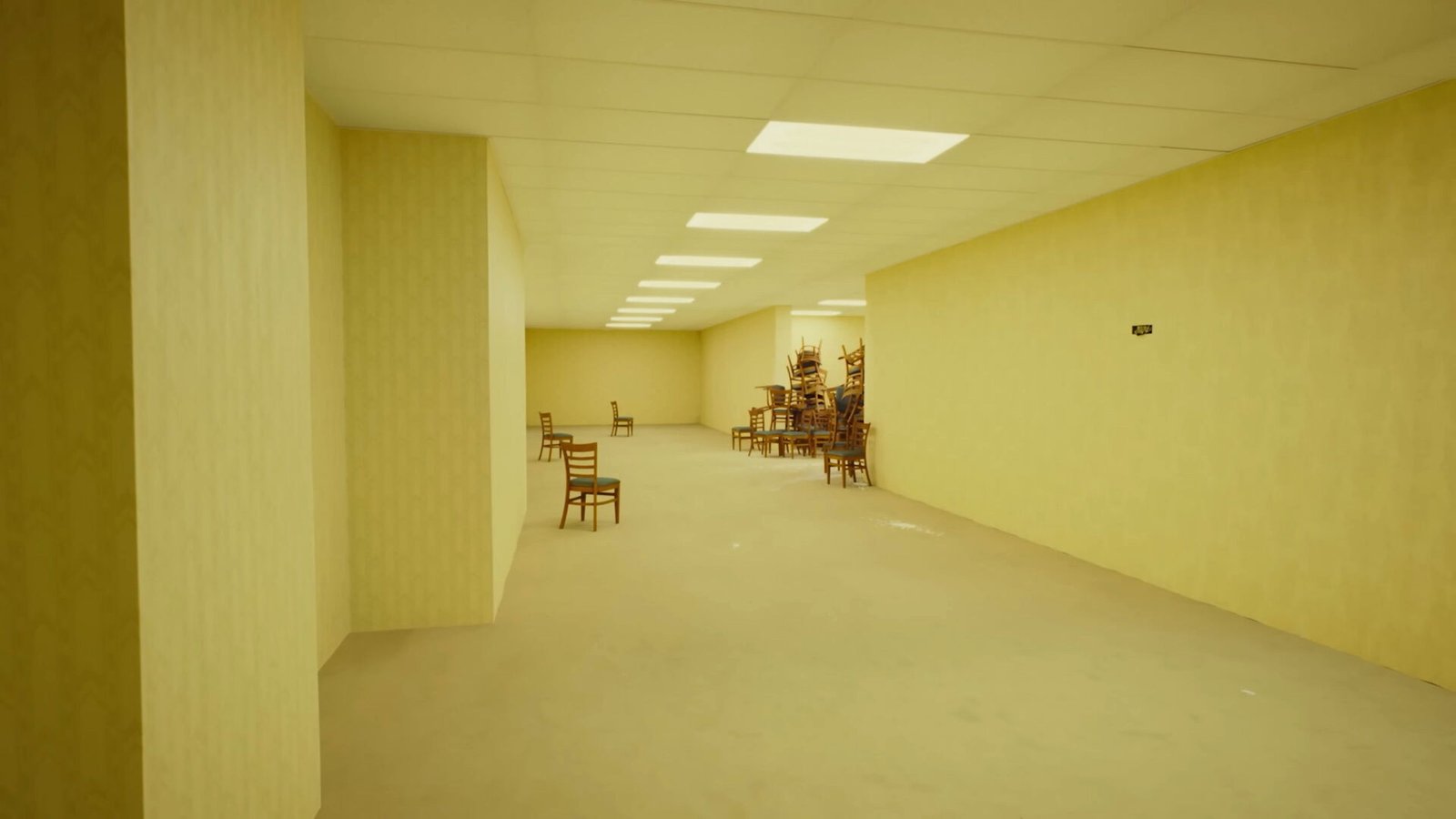
Backrooms horror depends on recognition distorted by one wrong detail: the corridor is almost familiar, the lights are almost normal, the room should have an exit, but the geometry refuses to make sense. A viewer supplies much of the fear, imagining what ought to be beyond the frame.
The 2026 film, distributed by A24 and directed by Parsons, follows the discovery of a strange doorway in a furniture showroom. Rotten Tomatoes identifies Will Soodik as screenwriter and reports broad critical approval, with a more divided audience response. That split is significant because atmosphere and narrative clarity do not always satisfy the same viewer.
The problem of adaptation: a mystery is not a plot
A striking YouTube sequence can survive on mood, duration and unanswered questions. A feature film also needs changing relationships, choices and escalating consequences. If a writer simply adds more hallways, the effect risks becoming repetitive. If the writer explains the hallways too thoroughly, the atmosphere may collapse.
The workable compromise is to create a character-level problem that grows inside the mystery. A character searches for someone, loses trust in a companion or chooses whether to sacrifice a way out. The environment remains alien, while the emotional stakes become legible.
What the reviews reveal
Critical discussion of the film has consistently praised its production and sound design. Rotten Tomatoes’ critical roundup highlights the atmosphere and performances. Meanwhile, its audience-response feature describes a clear tension: viewers are fascinated by the nightmare maze yet divided on the ambiguity of its answers.
Writers should pay attention to that difference rather than assuming one camp is wrong. The critic may value risk and form; a paying audience member may want satisfying character answers. Both are responding to promises the film seems to make.
The commercial case for unfamiliar ideas
The film also demonstrated that a contemporary internet-native horror property can become theatrical entertainment. In its opening weekend, trade-focused reporting put its domestic debut at about $81.4 million; Box Office Mojo separately records an opening of roughly that amount. Numbers like these do not mean every viral short deserves a feature. They do show the potential value of a distinctive world with a recognizable emotional effect.
How to write tension in an almost empty location
A corridor becomes dramatic only when somebody must act. Perhaps a character recognizes a sound from childhood. Perhaps an exit appears where there was none. Perhaps a second person denies seeing what the first saw. Each beat changes what the audience knows about danger.
Working with few characters and locations can be an advantage for a first-time filmmaker, provided the writing uses sound, repetition, framing and choice deliberately. An expensive creature is optional. Precision is not.
Write a three-page sequence in an ordinary location. Use no monster, no violent action and no explanation. Create suspense with three changes to the environment and one irreversible choice by the protagonist.
Write the next story worth discussing.
Explore Paper Bark’s dedicated screenplay editor, or apply for Creative Access if software costs stand between you and your first draft.
Explore Creative Access →Sources and further reading
- Backrooms — cast, production and critics/audience scores
- Backrooms — early critical response
- Backrooms — audience reactions and box office discussion
- Backrooms — reported theatrical box office
Film information and reception were verified on October 6, 2026. Review aggregates and box-office totals may change. This is a critical craft essay informed by published reporting, not a claim of a personal screening.