

The setting of a screenplay is not merely somewhere for the actors to stand. It can quietly establish who has power, who is allowed to move, and who must remain invisible. Rafael Manuel’s Filipiñana, an international debut feature recognised at Sundance 2026, offers a particularly rich premise: a young worker begins discovering the violence beneath an apparently immaculate country club.
Why the perfect surface matters
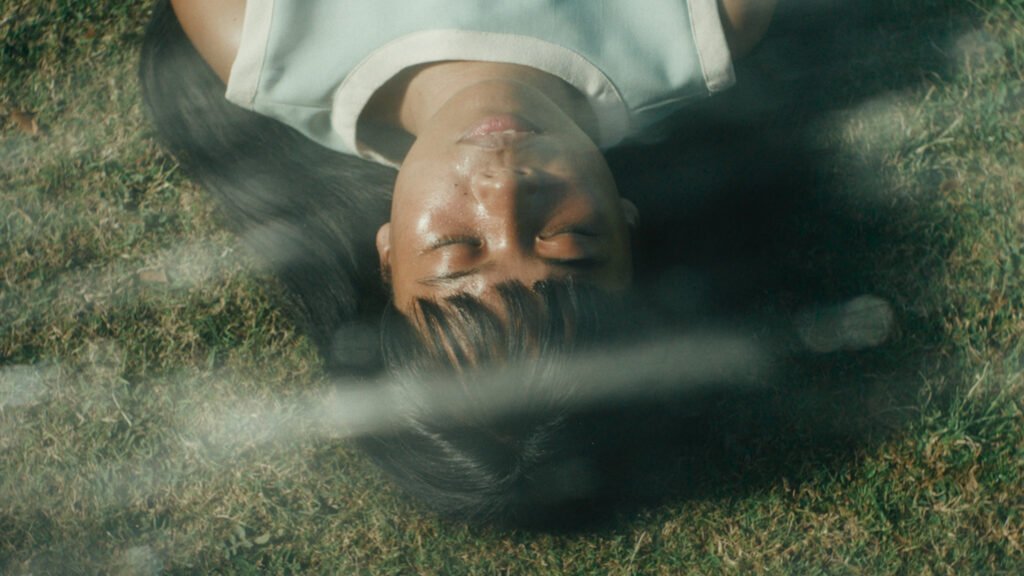
In the official festival synopsis, Isabel (Jorrybell Agoto) works as a tee girl and becomes drawn to Dr. Palanca, the club president. She gradually begins to connect his status with a sinister past. The golf course is not incidental to the story. Its polished lawns, strict routines and social hierarchy provide the conditions in which a character can be watched, judged or disregarded.
That is a useful principle for screenwriters: an institution can perform the work usually assigned to an antagonist. Rules shape behaviour before anybody needs to deliver a threatening speech.
Festival recognition for visual construction
The film received the World Cinema Dramatic Special Jury Award for Creative Vision at the 2026 Sundance Film Festival. Sundance’s award announcement singled out its visual control and the tension between luxury and labour. The citation offers a clear clue about the film’s artistic approach: the way a shot organises people within a space may tell a story that characters would never say aloud.
Manuel developed the feature from his earlier short film. This is an important creative route for new directors because a short can test a visual language or a conflict before a feature expands its implications. Sundance’s short-to-feature guide identifies this trajectory.
Writing with hierarchy instead of exposition
Imagine two characters crossing the same golf course. One walks wherever they wish. The other follows service paths and waits for permission to speak. A screenplay can establish social difference through blocking and routine before either character describes the system.
Visual power is not just a director’s concern. It begins on the page when action lines specify whose perspective guides the scene, what people avoid looking at, and what an apparently benign environment conceals. A writer can describe a repeated action, then make one deviation feel dangerous. That is often more cinematic than explaining the meaning in a dialogue exchange.
The challenge of expanding a short film
Shorts can work through a single disturbing observation. Features must accumulate change. To develop a short into a longer form, ask whether the original conflict contains a sequence of consequences rather than merely room for additional scenes.
If Isabel notices one disturbing clue at the club, what decision does the clue demand? What becomes harder to ignore because of her next choice? What does she risk by seeking answers? The synopsis indicates the direction of these questions without disclosing a resolution. The key is that discovery should shift power, not just deliver information.
A lesson for films with modest resources
Many first-time filmmakers have access to a single striking location: a school, hotel, shop floor, apartment block or village office. Instead of apologising for that limitation, consider its social design. Who controls the keys? Where do employees eat? Which door can a guest open but a worker cannot?
These details can build an entire dramatic world. The cheapest production design is often knowledge of how real spaces are used.
Choose one attractive public location. List three ways it reveals inequality in movement, speech and visibility. Write a two-page scene in which a character breaks one unspoken rule and immediately pays a price.
Sources and further reading
- Sundance film synopsis and short-to-feature background
- 2026 Sundance jury award for Creative Vision
- Sundance first-time filmmaker coverage and licensed film still
Reported from official festival materials and programme information. This original editorial analysis does not imply personal attendance or screening.