

Film school is often sold as a doorway into cinema. But a diploma cannot make someone a great director, and a prestigious campus cannot guarantee a finished film. So what, exactly, are aspiring filmmakers paying for—and when is it worth it?
The answer is less glamorous than the brochures. The best reason to attend film school is not that someone will give you permission to become a filmmaker. It is that you may gain the time, collaborators, equipment, feedback and structure to make work you would otherwise struggle to finish.
What film school can give you that a tutorial cannot
A camera tutorial can teach exposure. A screenwriting guide can explain scene headings. You can study professional screenplay formatting in an afternoon. But directing an actor after the third take, defending a story choice to a producer, and rewriting a scene when the location disappears are harder to rehearse alone.
Training at an established institution is often designed around precisely those pressures. The AFI Conservatory, for example, describes a two-year program across six filmmaking disciplines in which fellows work together on multiple films. Prague’s FAMU similarly presents its programs as a mixture of practical filmmaking and theory.
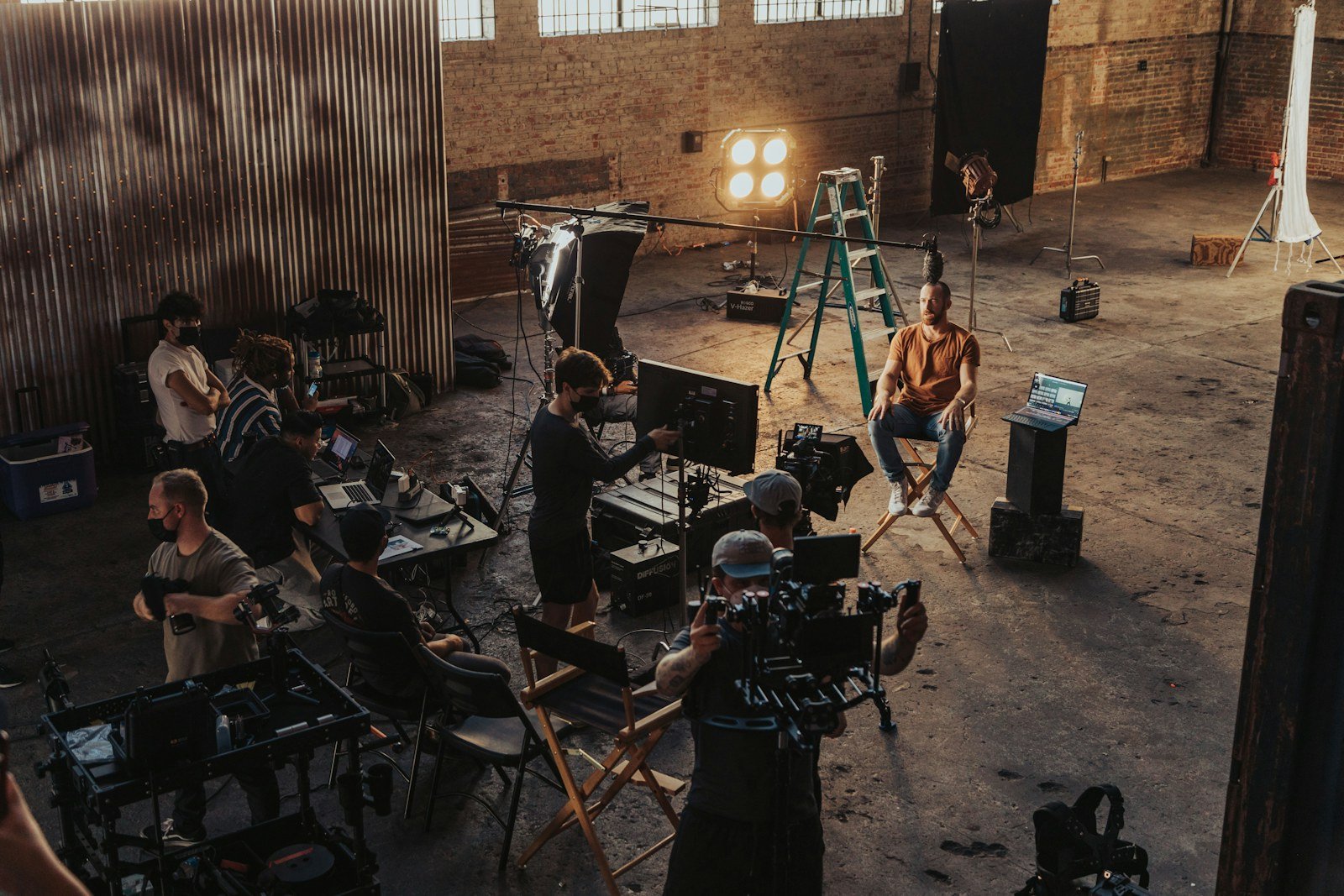
That combination matters: you can learn the vocabulary of cinema anywhere, but a working set teaches you what happens when ten people interpret the same script differently.
The real value may be the people beside you
Film schools bring together writers, directors, cinematographers, editors, sound professionals and producers at a moment when all of them need collaborators. You may find an editor who understands your sense of rhythm, a cinematographer willing to experiment or another writer willing to tell you when your second act stops working.
Those relationships do not automatically turn into industry jobs. Still, a good creative partnership can outlast an individual assignment—and those relationships can develop through student productions, local film collectives, internships or self-organised shorts as well.
Ask instead: “How many meaningful projects will I actually make here, and who will help me make them?”
What film school cannot promise
It cannot guarantee that a festival will select your film, that an agent will read your screenplay or that a production company will finance your feature. Even excellent programs cannot hand you a distinctive point of view. That part comes from what you notice, what you care about and the courage to express it clearly.
Cost also changes the calculation. Tuition is only one line: living expenses, time away from paid work, visas, travel, materials and the opportunity cost of spending one or more years in school all matter. Prices and funding differ significantly by program, so a general “film school is worth it” verdict is not honest.
If attendance would put you into a level of debt that limits your ability to shoot films for years afterward, the creative benefit deserves especially close scrutiny.
When learning outside film school can be the better decision
You may already have a small crew, access to locations, the discipline to finish drafts and a community prepared to give thoughtful criticism. In that case, taking an affordable workshop, investing in a short-film production, or working on other filmmakers’ sets might teach you more about the next stage of your career.
But self-taught does not mean self-directed by default. Without deadlines and feedback, watching masterclasses can become a sophisticated way of avoiding your own first draft. Structure is not exclusive to an institution—you can create it deliberately.
Independent filmmaker interviews collected by No Film School repeatedly return to practical constraints: write for resources you can access, build an audience or creative community, and make the work instead of waiting for ideal conditions. That advice applies whether you are enrolled or not.
What about labs, fellowships and short courses?
Film education is not a choice between a full degree and learning entirely alone. Intensives, workshops, writing groups, assistant work and structured fellowships can fill specific gaps.
The Sundance Institute Feature Film Program, for instance, supports emerging filmmakers through development programs, labs and mentoring opportunities. These are selective programs with distinct eligibility rules, not a universally available replacement for film school. They do, however, show that serious feedback and artistic community can exist beyond a traditional degree.
A six-week program that helps you finish a strong screenplay may be more useful than a long course that never requires you to complete one. Equally, if you need deep practical training across several disciplines, a comprehensive program may be a better fit.
Five questions to ask before applying
- What will I finish? Ask for concrete outputs: screenplays, short films, exercises, showreels or a finished thesis project.
- Who will read my work? Look for regular, constructive feedback—not merely lectures and occasional grading.
- Who will I collaborate with? Find out how writers work with actors, directors, cinematographers and editors.
- What will it really cost? Compare tuition, living expenses, equipment access, scholarships and time away from other opportunities.
- What could I make instead? Price a realistic independent learning plan and a short film before choosing the school route.
A small experiment before a big decision
Try giving yourself one month. During week one, write an eight-to-ten-page short film set in a location you can actually use. In week two, ask three people to read it and identify what they understood differently from what you intended. In week three, rewrite the draft and assemble a small team. During week four, rehearse, shoot or stage a key scene.
If you discover that you love the process but need mentorship, equipment or a broader network, film school may be a strong investment. If you thrive in that self-made structure, you may already be building the education you need.
The answer is not a yes or a no
Film school is worth considering when it provides opportunities you cannot realistically build on your own—and when the financial commitment remains manageable. It is less compelling when the name on the diploma matters more than the films you will make.
Above all, do not confuse preparation with progress. Whether your classroom is a school studio, a community centre or a kitchen table, the work begins when you commit to a scene, finish a draft, and let someone else challenge it.
Start with the screenplay.
Paper Bark is designed to make the first draft easier to begin. If buying screenwriting software is a barrier, our Creative Access initiative welcomes applications from emerging writers and filmmakers.
Explore Creative Access →